
Q-Block Computing

Foundational Quantum Technologies

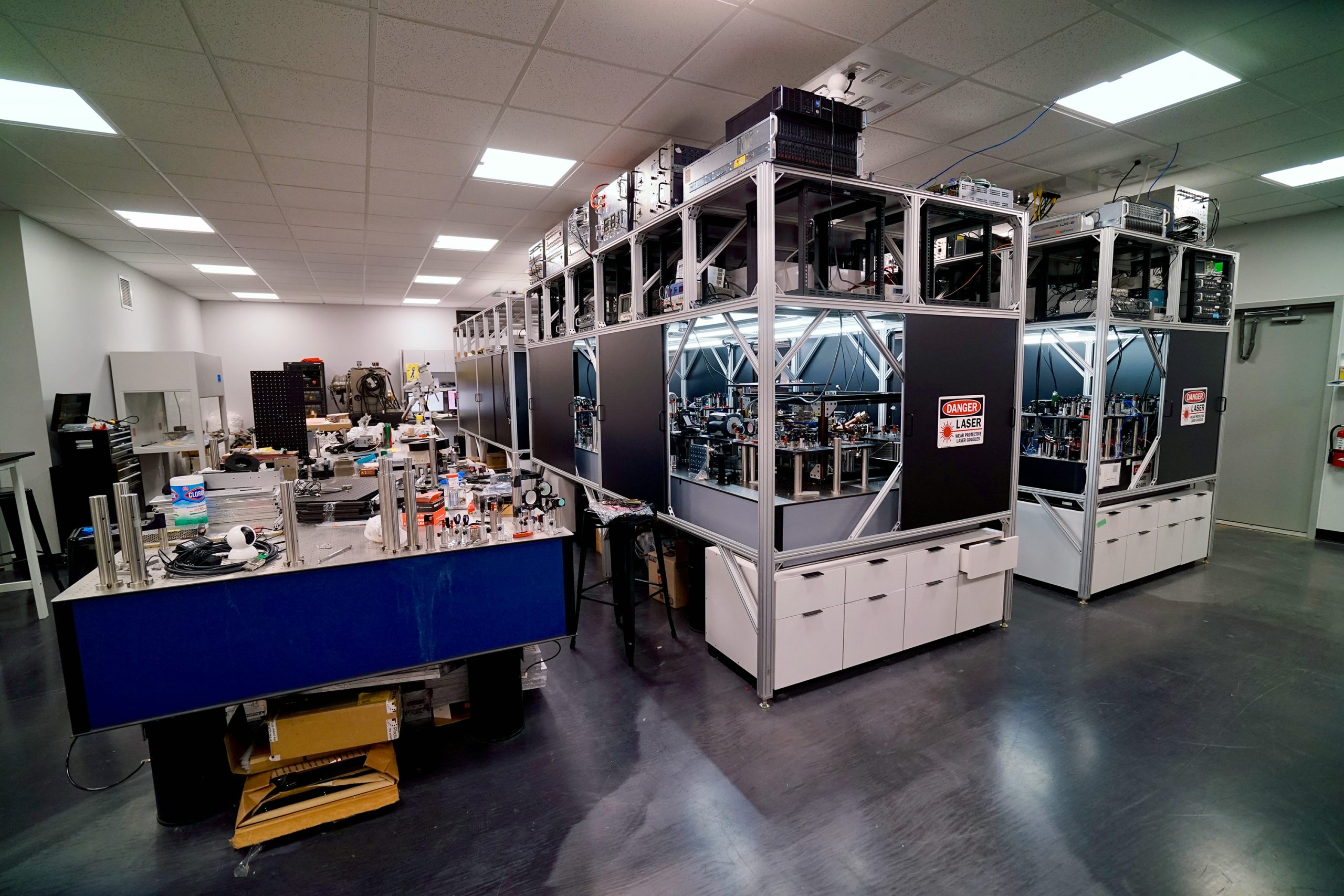
We build quantum infrastructure – timing, networking, and computation – on which critical systems depend. We work at the level of atoms and photons, where time and information are constructed.

AllanQ

Quantum timing
Independent of external infrastructure
Coherent where GPS/GNSS is denied

LuciaQ

Quantum networking
Signal integrity in contested conditions
Entanglement stored and routed at scale

PolarisQ

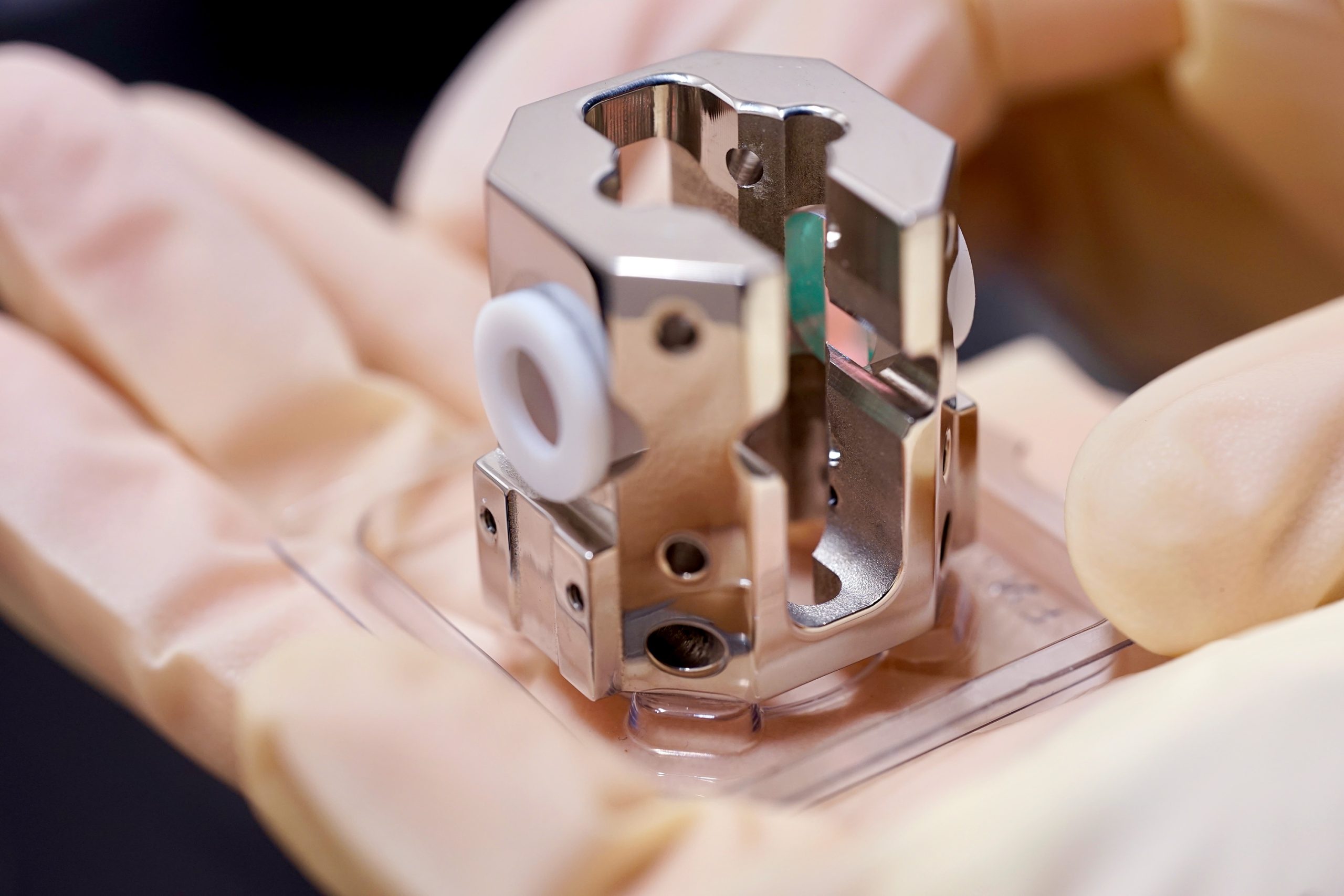
Containerized quantum computer
Many-body QED architecture
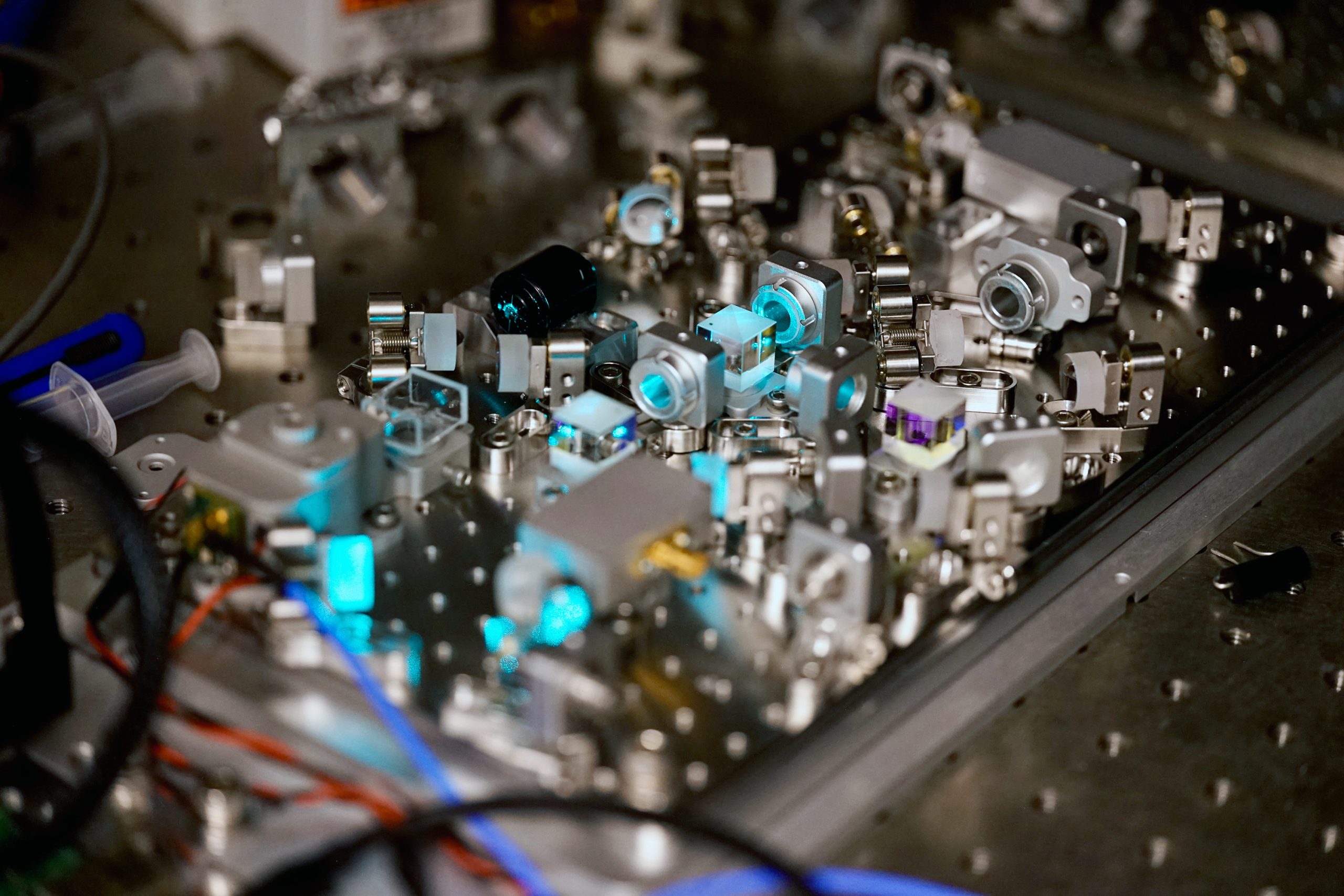
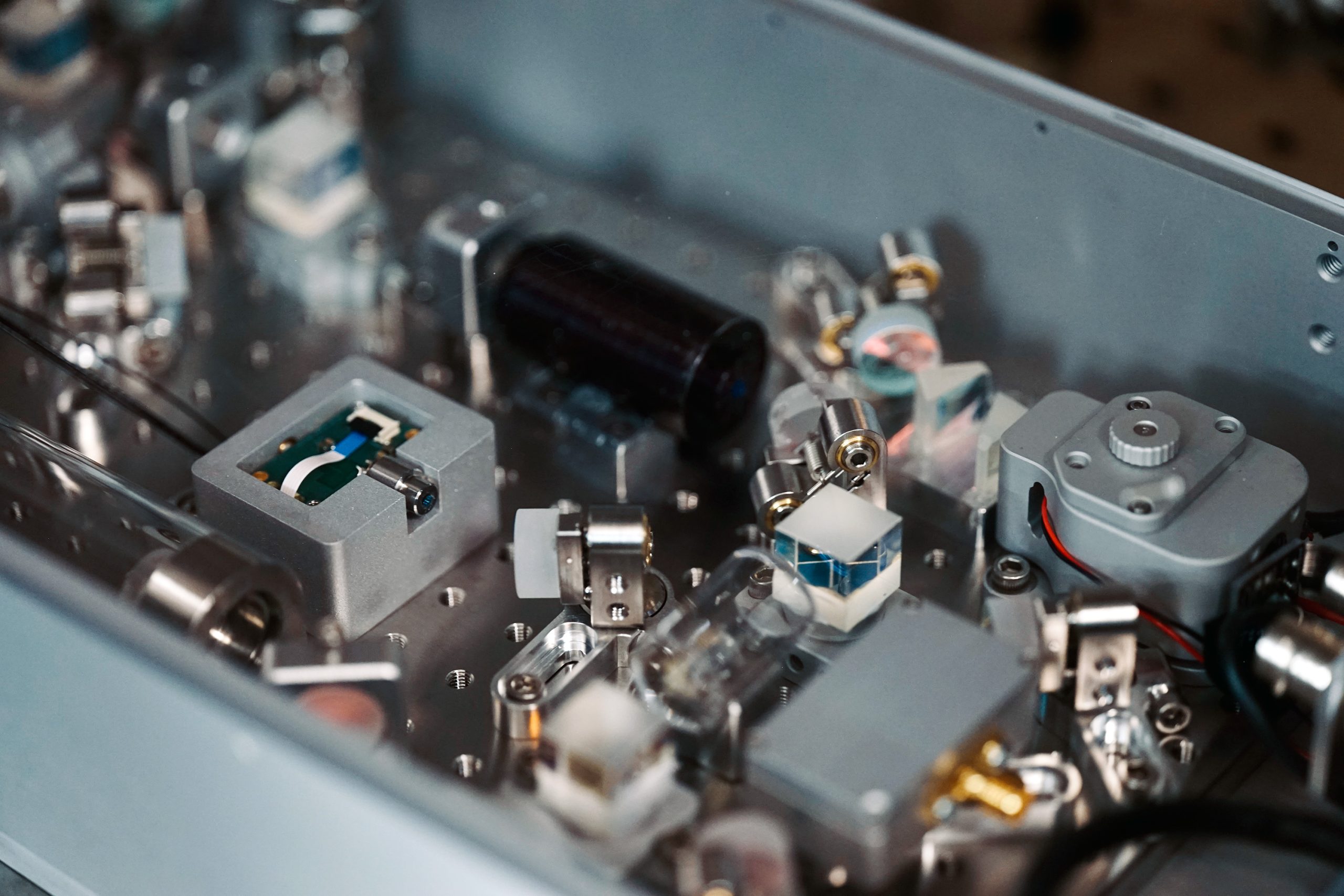
Atoms and photons at work

Precision Timing for GPS-Denied Operations

Coherent time held independently when space-based timing is contested or unavailable

Signal integrity preserved against the threats that classical cryptography will not survive

Simulation of Quantum Systems Beyond Classical Reach

Materials, chemistry, and field theories computed in nature’s own language

Synchronization of distributed sensor and communications networks

A common time base across nodes, in real conditions, at industrial reliability

Entanglement Distribution across remote quantum systems

The transport layer required for distributed quantum systems to operate at scale

Modular Quantum Processing for HPC Environments

Tweezer-array architecture, containerized, integrated into the systems above it
The Work

decode Nature’s foundational model

Many-Body Quantum Optics

Where strongly correlated Rydberg matter meets the light of an ultra-high-finesse cavity, mean-field physics ends and many-body quantum electrodynamics begins — the regime in which entanglement, emergence, and computational complexity are one question.
We build the instruments that open it.

Quantum Metrology

Nature sets the limit of how precisely the world can be read.
Precision sharp enough to read the fundamental constants for departures from the Standard Model, drawn from quantum resources held in many-body entanglement, and embodied in quantum clocks that become the foundation of distributed quantum systems.
We build the instruments that take it.

Extended Quantum Church Turing Thesis

We work in atoms and photons because nature does.
The Extended Quantum Church–Turing Thesis — that the universe’s computational capacity is captured in machines built from its own substrate — is the proposition under which everything we build is engineered.
Taking that proposition seriously is the work of this century, and it imposes preconditions: a time base coherent enough to support distributed quantum operations, a network layer that carries entanglement at scale, and modular qubit systems built to industrial standards.
AllanQ, LuciaQ, and PolarisQ are the first generations of those preconditions.

DISTRIBUTE QUANTUM COHERENCE AT INDUSTRIAL SCALE

Quantum Timing

Time is the reference on which every coordinated system depends.
We build quantum clocks that hold their second when the references above them are denied, contested, or absent — independent in operation and engineered to the standards real systems require.
AllanQ is the time base on which distributed quantum operations are built.

Quantum Networking

Entanglement is the resource distributed quantum systems run on.
We build the network layer that carries it across deployed optical infrastructure — preserving fidelity in real conditions and securing communication through the structure of physics itself.
LuciaQ is the transport layer on which quantum networks are built.

Quantum Computation

Quantum computation begins where classical methods end.
We build modular tweezer-array processors engineered for industrial integration — coherent at depth, composable at scale, and built to the reliability the systems above them demand.
PolarisQ is the computational substrate on which quantum systems at scale are built.

error: Content is protected !!